
BACON, LEONARD
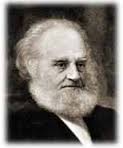
(19 February 1802, Detroit, MI-24 December 1881, New Haven, CT). Education: B.A., Yale College, 1820; B.D., Andover Seminary, 1823; postgraduate study, Andover, 1823-24. Career: Minister, First Congregational Church, New Haven, CT, 1824-81; editor, Independent, 1848- 61; acting professor of theology and church history, Yale Divinity School, 1866-81.
Born on the frontier of the Old Northwest, this son of a Congregational missionary returned to New England and occupied one of the most time-honored pulpits in the church. In New Haven, Bacon was a leader in the movement to preserve Congregational unity. A student of history, he wrote several books that celebrated the heritage of his denomination, most notably, The Genesis of the New England Churches (1874). Seeking to minimize the theological issues that had divided the church, he emphasized the centrality of Christ and grace in religious life. When efforts to unite with the Presbyterians failed, Bacon's emphasis on the history and essential beliefs of his denomination helped strengthen Congregationalism for its work in the second half of the nineteenth century.
Bacon was also interested in social causes, particularly slavery. His Slavery Discussed in Occasional Essays (1846) influenced Abraham Lincoln and suggested to Lincoln the famous words, "If slavery is not wrong, nothing is wrong."
Bacon led a full life, fathering fourteen children, writing hymns, bringing quiet humor to the affairs of the church. In his later years he wore a full beard and was known as the "Nestor" of Congregationalism.
Bibliography
A: A Plea for Africa (New Haven, 1825); Thirteen Historical Discourses (New Haven, 1839); Slavery Discussed in Occasional Essays (New York. 1846); Christian Self-Culture (Boston. 1862); The Genesis of the New England Churches (New York, 1874; 1972).
B: DAB 1,479-81; DARB, 22-23; NCAB, I, 176; NIT 25 December 1881; SH, I, 416; Williston Walker, Ten New England Leaders (N.Y., 1901); Theodore D. Bacon, Leonard Bacon: A Statesman in the Church (New Haven, Conn., 1931).
Born on the frontier of the Old Northwest, this son of a Congregational missionary returned to New England and occupied one of the most time-honored pulpits in the church. In New Haven, Bacon was a leader in the movement to preserve Congregational unity. A student of history, he wrote several books that celebrated the heritage of his denomination, most notably, The Genesis of the New England Churches (1874). Seeking to minimize the theological issues that had divided the church, he emphasized the centrality of Christ and grace in religious life. When efforts to unite with the Presbyterians failed, Bacon's emphasis on the history and essential beliefs of his denomination helped strengthen Congregationalism for its work in the second half of the nineteenth century.
Bacon was also interested in social causes, particularly slavery. His Slavery Discussed in Occasional Essays (1846) influenced Abraham Lincoln and suggested to Lincoln the famous words, "If slavery is not wrong, nothing is wrong."
Bacon led a full life, fathering fourteen children, writing hymns, bringing quiet humor to the affairs of the church. In his later years he wore a full beard and was known as the "Nestor" of Congregationalism.
Bibliography
A: A Plea for Africa (New Haven, 1825); Thirteen Historical Discourses (New Haven, 1839); Slavery Discussed in Occasional Essays (New York. 1846); Christian Self-Culture (Boston. 1862); The Genesis of the New England Churches (New York, 1874; 1972).
B: DAB 1,479-81; DARB, 22-23; NCAB, I, 176; NIT 25 December 1881; SH, I, 416; Williston Walker, Ten New England Leaders (N.Y., 1901); Theodore D. Bacon, Leonard Bacon: A Statesman in the Church (New Haven, Conn., 1931).